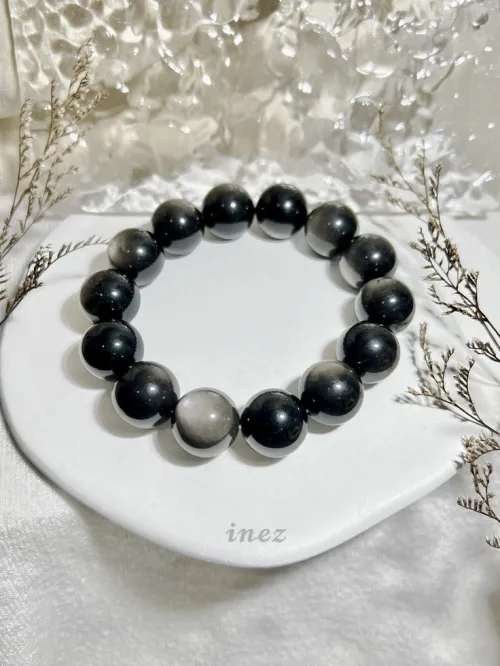
Red obsidian is a rare volcanic glass formed from rapidly cooled lava, characterized by its distinctive crimson to burgundy hues resulting from iron oxide inclusions. Unlike crystalline minerals, it maintains an amorphous structure with natural conchoidal fractures creating sharp edges. Moderately durable at 5-6 Mohs hardness, it requires careful handling and avoids sudden temperature changes to prevent microfractures. Its translucence and light-reflecting vitreous luster make it popular in jewelry and decorative arts.
You know that moment when something catches your eye from across a room? Maybe in a jewelry display case, or that intriguing rock shop window. Your gaze locks onto flashes of crimson - deep, glowing reds that seem to hold whispers of ancient fire. Well, perhaps it's not exactly whispering... but that magnetic pull you feel? That’s what draws many to red obsidian. At some point, we've all been captivated by a color that makes us pause amid our daily rush. Whether you're contemplating a special piece of jewelry, decorating a sacred space, or just curiously holding volcanic history in your palm, that initial spark of connection starts right here. It's interesting how our intuition often gravitates toward certain materials as if answering questions we haven't fully formed yet.
Guide Through the Glow
Defining Red Obsidian and Its Appearance
Imagine holding captured starlight dipped in wine - that’s the initial encounter many describe when observing high-quality specimens. Unlike opaque minerals, this volcanic glass interacts dynamically with illumination.
The signature reddish hue originates from iron oxide particles suspended within silicon dioxide, creating translucent layers that dance between cherry tones and deeper crimson depending on mineral impurities. That glass-like depth where light seems to pool rather than reflect? That’s the vitreous luster observers often find mesmerizing.
Finding this stone feels like uncovering Earth's hidden artistry. When volcanic fury meets swift cooling, alchemy occurs - but why do some flows birth ruby-like beauty while others create common obsidian?
The chaotic intensity of volcanic eruptions generates unique conditions where lava solidifies before crystals form, creating natural glass rather than structured minerals. Microscopic gas bubbles become frozen moments in that rapid cooling process - like tiny time capsules for geologists. Interestingly, conchoidal fractures (those curved, shell-like breaks creating sharp edges) emerge from its amorphous structure lacking cleavage planes.
Typical Uses and Compatibility with Styles
That pendant that seems to catch every flicker of candlelight at dinner, or the decorative bowl anchoring your bookshelf with earthy elegance - red obsidian easily transitions between functional and ceremonial roles.
Bezel settings provide secure placement in rings and pendants since they cradle the stone's edges without requiring drilled holes. Mosaic artists appreciate its adhesion capabilities when incorporating fragments into larger designs. Whether worn against bohemian linens or minimalist modern fabrics, its organic warmth complements diverse aesthetics without demanding attention.
Jewelry Integration Tips
Consider pairing it with darker metals like oxidized silver to create striking contrast that enhances its fiery character. For daytime wear, smaller pieces maintain practicality without sacrificing visual weight.
Material Properties and Structural Integrity
Before wearing daily or displaying near windows, let’s acknowledge its volcanic personality. Like remembering an orchid needs different care than a cactus, understanding this material’s limits preserves its longevity.
At 5–6 on the Mohs scale, it offers moderate resistance against casual scratches but requires protection from harder gemstones or abrasive surfaces. Be mindful of thermal sensitivity as sudden temperature changes can introduce fine stress fractures - that beautiful poolside afternoon might cause unseen damage.
Environmental Tolerance
- Humidity Resilience: Stable without deterioration under normal household conditions
- Weight Consideration: Lighter than crystalline quartz despite similar volume
Identifying Natural vs Treated Specimens
Ever wondered if that intensely saturated piece was naturally perfected over millennia or altered yesterday? Authenticity matters when connecting with Earth’s creations.
Online images often amplify vibrancy beyond real-world viewing, so examine stones under varied lighting before assessing color genuineness. Verify sourcing locations since certain regions produce characteristic formations; reputable suppliers document these origins.
Observational Guidance
- Gas Bubble Patterns: Authentic specimens contain uneven natural bubbles
- Color Context: Natural reds appear integrated within the material rather than surface-bound
Maintenance Practices for Lasting Brilliance
Caring for these pieces isn’t complicated - think of preserving dawn frost on a leaf until midday. Consistency matters more than effort.
Regular cleaning with mild solutions prevents residue from accumulating and clouding the stone’s inherent radiance. Treat it with gentle handling during daily activities to avoid pressure impacts and cumulative abrasions. Unlike some gemstones, it thrives when touched - skin oils subtly maintain its polish between cleanings.
Storage Approach
Individual soft pouches or compartmentalized boxes prevent contact scratches when traveling with your jewelry collection. Avoid ultrasonic cleaners - warm water and soft cloth cleaning suffices.
The Unseen Companion
Obsidian’s beauty often reminds us that our most meaningful discoveries emerge through patient attentiveness. Notice how its colors shift in different lights? Perhaps life’s uncertainties respond similarly when we adjust perspectives. When selecting or caring for such pieces, we tune in to subtle impressions - that quiet inner confirmation dismissing ten logical contradictions. Trusting our instincts amid chaos isn’t abandoning reason but weaving wisdom between facts and felt experience. Like volcanic rock transformed through time’s pressure, we can embrace unexpected changes as catalysts for becoming fuller versions of ourselves.
Common Misconceptions and Geological Insights
Let’s clarify confusion surrounding this fire-born stone. Beyond marketing folklore lie fascinating truths about its origins and behavior.
Unlike dyed stones, authentic formation involves mineral integration during volcanic events. Notice that intense long-term UV exposure potentially fades some specimens over years, explaining why museum pieces rotate displays. Historically valued for ceremonial ornamentation, its symbolic weight differs from measurable physical properties.
Myth Dispelling
Myth: Uniformly deep coloration indicates quality
Truth: Natural translucency variation confirms authenticity
Myth: Higher hardness than common glass
Truth: Similar range requires protective settings