DIY obsidian holiday decorations ideas
Crafting holiday decorations from obsidian transforms natural volcanic glass into reflective centerpieces that capture ambient light for seasonal magic. To create durable pieces, recognize how conchoidal fracture patterns require precise handling during carving, while understanding light interaction properties ensures your snowflake ornaments or candleholders shimmer appropriately against festive backgrounds. Store creations with cushioned separation to preserve their jewel-like surfaces between seasons.
You’ve probably stood before a holiday display, marveling at how certain materials seem to hold light differently – that quiet nudge whispering, “this piece wants to come home with you.” When obsidian catches your eye, it’s more than geological curiosity; it’s that intuitive pull toward something ancient made new. That polished fragment reflecting candle flames? It suddenly belongs on your mantel, between the pinecones and fairy lights. Well, maybe not exactly that piece in the store... but why couldn’t you craft your own? The thing is, creating with volcanic glass isn’t just about making decorations; it’s about welcoming nature’s deep stillness into your seasonal traditions. Something shifts when your fingers trace those cold, smooth planes, transforming raw earth fragments into sparks of celebration.
What You'll Discover in This Guide
Creative Obsidian Decoration Concepts
Before reaching for tools, visualize your finished piece interacting with holiday elements. That obsidian chunk you selected? It’ll eventually sit surrounded by evergreen boughs, reflecting ornaments or flickering beside wax candles. Its ability to present contrasting textures – polished surfaces mirroring lights beside deliberately rough edges catching shadows – creates captivating focal points. Consider placing thinner slice decorations against dark table runners: their visual presence amplifies dramatically on deep backgrounds, whereas snow-white settings soften their intensity. As your hands shape these volcanic fragments, each carving decision carries forward earth’s slow wisdom transformed by human touch.
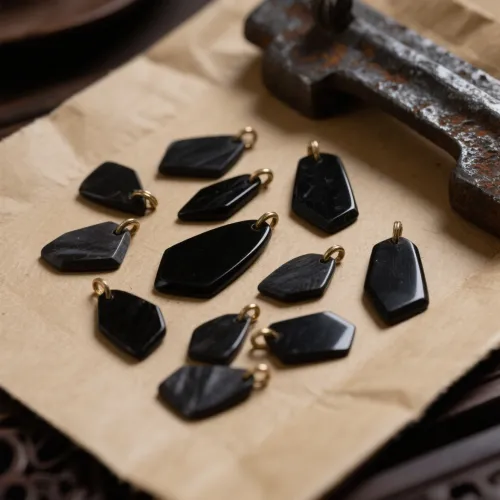
Texture layering proves magical – pair high-gloss carved snowflakes beside beads of rough-hewn obsidian along a garland. When light passes through layered window hangings, refractive depth illusions occur naturally, like staring into frozen ponds. And when that little voice suggests experimenting with asymmetrical shapes? That quiet intuition often leads to designs feeling organically "right." Remember to leave a few surfaces untouched; nature’s artistry needs no improvement, only framing.
Light Interaction and Visual Effects
Positioning obsidian requires understanding lighting like a stage director. Imagine twilight descending as your decorations transition from dark silhouettes to reflective beacons catching artificial glows. Subtle iridescent sheens emerge unexpectedly when spotlights pierce mineral-included pieces, transforming black surfaces into cosmic wonders. These moments spark conversations during gatherings – how nature’s alchemy creates shifting beauty dependent on perspective. Candlelit tabletops showcase obsidian’s true magic: directional flames awaken dancing depth illusions within multidimensional displays, turning static ornaments into kinetic experiences.
Observe how ambient lighting alters perceived color intensity throughout the day. Morning sunlight may reveal subtle banding invisible under artificial bulbs, while holiday string lights create starburst patterns. At some point during decorating, you’ll accidentally discover perfect lighting angles – that’s creative intuition in action. Allow placements to feel fluid; small adjustments reveal new dimensions.
Practical Crafting Techniques
Begin by selecting thinner pieces; obsidian tends to fracture unpredictably during carving sessions. That jagged shard resisting your tools? Its volcanic glass composition harbors hidden character, demanding patient dialog between imagination and material. Focus projects requiring intricate carving on thicker slabs where edge retention allows precise etching of symbols like snowflakes or trees. Handle pieces as if listening to their fragility – this meditative approach prevents accidental cracks and honors earth’s creation.
Handling Sharp Facets Safely
When freshly carved edges feel sharp enough for paper cuts, wrap edges with temporary masking tape until polishing completes. Water-assisted polishing minimizes friction dust while revealing smooth surfaces. Notice how resistance diminishes as techniques improve; sometimes materials guide our hands gently toward competence.
Choosing Adhesives Securely
Glue selection requires compatibility tests on scraps first. Those promising industrial-strength adhesives often disappoint if chemical interactions cause fogging. Epoxy resins generally withstand seasonal temperature fluctuations better than household glues, especially for bonded pieces bearing hanging loads. During drying time, pressing components together feels like holding possibility in suspended animation.
Design Weight Considerations
- Tabletop centerpieces: Distribute weight toward bases using dense sections
- Suspended ornaments: Bind edges securely and test integrity gently
- Mobile displays: Place heavier elements beneath lighter counterparts
Durability and Display Considerations
While obsidian withstands everyday conditions gracefully, seasonal shifts require mindful curation. Extended winter sun exposure gradually diminishes surface reflectivity through microscopic dehydration. Prevent matting by rotating wall-hanging positions monthly. When cleaning, avoid extreme temperature changes – warm stone experiencing sudden cold-water shocks risks microfractures. Surface treatment compatibility varies widely; commercial sealants create durable barriers whereas natural oils offer subtle, reapplicable enhancement. Notice how handling pieces during maintenance evokes the quiet pride of preservation.
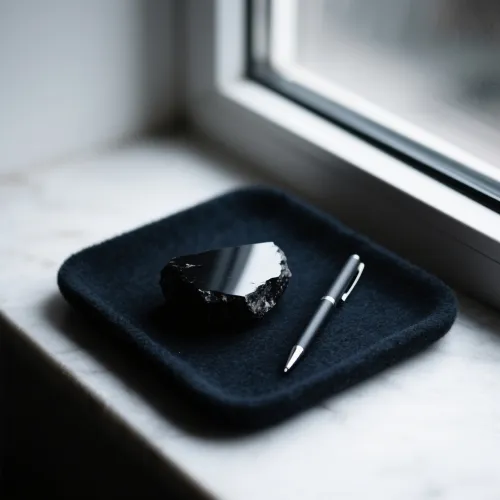
Displayed in bookcases or windowsills, obsidian becomes seasonal narrative. That center piece anchoring your table? Its stability relies on density distribution, refusing toppling from excited children or passing sleeves. Long-term, environmental dust accumulation subtly softens reflections – a gentle reminder that even earth’s glass breathes with time.
Evaluating Material Quality
Selecting pieces involves both tactile examination and intuitive response. Surface luster reveals polishing skill – vitreous transitions from mirror-like to softly muted indicate craftsmanship level. Inspect fractures; quality material displays conchoidal breaks resembling seashell spirals rather than crushed edges. That piece feeling "right" energetically? Trust that sensation; it often selects stones with fewer imperfections.
Observe material behavior under various lights before purchasing. Subtle color variations emerge during rotation, while inclusions creating iridescence become visible under focused illumination. Remember, structural perfection matters less than character – that scarred, complex piece might become your favorite storyteller. Every fissure holds geological history, perfect for themed decorations like "ancient ice" ornaments.
Seasonal Adaptation Tips
Holiday shifts from autumn warmth to winter chill typically cause negligible change given stable indoor conditions. However, placement near heaters or entryways demands attention to thermal conductivity perceptions – obsidian feels unexpectedly cold compared with surrounding décor. Prevent condensation issues by moving pieces away from steaming drink stations or humidifiers. Seasonal transitions prompt reinvention; that carved pumpkin piece transforms into holiday lanterns through simple internal lighting adjustments.
Midwinter storage requires cushioned separation preventing accidental scratches. Wrap individual pieces in microfiber cloths within partitioned boxes, preserving surface clarity between years. Off-season time serves as incubation; opening storage containers next November feels like reunion with crystalline old friends. And when rotating displays, notice how different years highlight unnoticed details; time grants fresh perspectives.
Whispers Beneath the Surface
Crafting with earth’s materials becomes meditation when we trust our hands' wisdom. That uncertain carving decision? It contains instincts formed through millennia of human creation. Allow moments when frustration surfaces to become pauses – imagine obsidian resting within volcanic darkness for centuries before becoming your candleholder. Seasonal transformations mirror our own changes; each year we return to traditions renewed by growth. Creating beauty from raw materials becomes dialogue with universal energies; the universe nods gently when we acknowledge its gifts with reverence.
Common Obsidian Crafting Questions
Q: Can obsidian ornaments survive outdoors holiday displays?
Obsidian withstands typical indoor conditions well but extended outdoor exposure risks gradual degradation. Temperature fluctuations, frost, and high humidity cycles accelerate surface dehydration. For porch displays, limit timeframe and bring pieces inside freezing nights.
Q: How do I restore shine to older obsidian decorations?
Dust gently using microfiber cloths first. If cloudiness persists, apply mineral oil sparingly with soft cloth, then remove residue after 12 hours. Commercial sealants offer stronger restoration, though they change surface permeability permanently.
Q: Why does my obsidian piece look different from others' creations?
Volcanic glass origins drastically influence appearance – mineral banding, inclusions, and opacity variations create unique signatures. Embrace these distinct characteristics; nature crafts uniqueness as default. That piece feeling particularly resonant? Its geology aligns with your creative vision invisibly.
Q: Are weight concerns serious for tree ornaments?
Obsidian’s density requires reinforcing branches or selecting smaller pieces. Reinforced hanging mechanisms prevent accidents. Balance decorations uniformly; intuitively sensing weight distribution prevents imbalance mishaps during festive chaos.