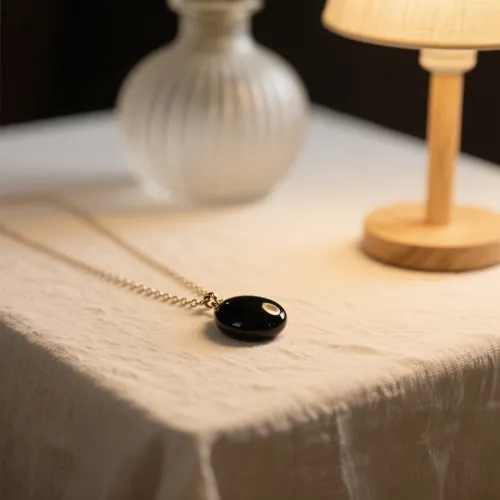
Where to buy black obsidian Christmas ornaments
The best places to find black obsidian Christmas ornaments include both specialized mineral shops and curated online artisan marketplaces. Look for sellers who clearly describe geological origins and craftsmanship details, with options ranging from polished spheres to artisan-carved shapes. Verify authenticity through images showing natural fractures and mineral inclusions while considering protective packaging to guard against brittleness during shipping.
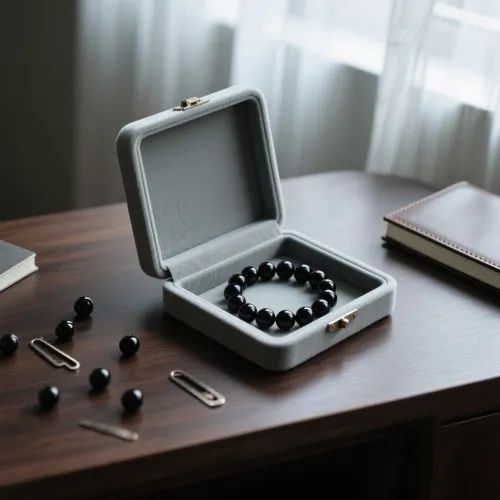
When you first spot a black obsidian Christmas ornament shimmering on your tree, it feels like finding a piece of midnight sky captured in stone. There's this unexpected pull—maybe it's the way it reflects twinkle lights like volcanic glass absorbing starlight, or perhaps how its density gives it a grounding presence among fragile glass baubles. You might wonder if your attraction holds some deeper meaning, that quiet nudge we sometimes feel toward objects resonating with unknown layers. Well, perhaps it's not just folklore suggesting obsidian assists in releasing shadows; your own intuition may simply recognize how this volcanic glass mirrors our celebrations of light amid winter's darkness. Anyway, sourcing these treasures requires thoughtful consideration beyond ordinary decorations, doesn't it? That's where we begin.
What You'll Discover in This Guide
Premier Marketplaces for Sourcing
So where does one actually locate these unique ornaments? It’s not like finding red glass balls at department stores; we’re hunting treasures crystallized from ancient lava flows. You’ll likely encounter situations like scrolling through countless online listings only to question which sellers truly understand geological nuances. Perhaps the search begins with local rock and mineral shows—those vibrant gatherings where artisans reveal their winter collections—or turns to specialty platforms where lapidaries display heirloom-quality carvings. Some marketplaces distinguish themselves by providing raw material origin details, something increasingly important as awareness grows about each stone’s journey.
Composition and Aesthetic Attributes
Imagine holding a polished obsidian sphere—the weight surprises you immediately. That substantial feel comes from a density between 2.3 and 2.6 g/cm³, setting it apart from typical fragile ornaments. What really captivates, though, is the interplay of light. Under tree lights or candles, volcanic glass exhibits a distinctive vitreous luster—almost liquid in how it absorbs and reflects illumination differently than crystal or plastic. Sometimes variations sneak in; mineral impurities create faint bands or mesmerizing iridescent sheens if you angle it just right. Display placement becomes an art here; a branch near an ornament cluster might deepen its mystery while backlighting reveals unexpected glimpses of translucency in thinner pieces.
Each piece feels alive as light shifts during the season. That rich darkness becomes a canvas for reflections, turning it into something more than decoration—it becomes a quiet conversation between you, the light source, and its volcanic origins.
Variations in Crafting Techniques
Ever notice how some ornaments appear sleek as polished ink while others whisper tales through rough, unaltered textures? That’s where crafting choices speak volumes. Artisans decide whether to embrace a stone’s natural storytelling—sharp edges recalling volcanic fractures—or refine it into smooth curves echoing traditional Christmas aesthetics. Surface textures reveal these decisions clearly: polished finishes glow consistently under lights while raw forms play with shadows. Such variations aren’t just decorative; they reflect respect for the material's origins. Hand-carved pieces, for instance, carry tool marks connecting present creativity to ancient sculpting traditions.
Budget and Style Considerations
We’ve all faced that moment standing before a beautifully crafted ornament while considering price tags. Obsidian pieces span surprising ranges—from accessible polished spheres to elaborate artisan carvings justifying higher investments. Consider how styles align with your celebration; smooth minimalist orbs complement modern trees while hand-chiseled snowflakes might anchor rustic farmhouse themes. That substantial decorative weight we mentioned earlier? It plays a role here—heavier pieces often require sturdier branches but create undeniable presence mid-twig. Budget-wise, focus balance: less expensive options showcase obsidian’s purity through uncomplicated shapes, letting light do the storytelling.
Authenticity Verification Methods
Picture this: your newly arrived ornament resembles dark plastic rather than geological poetry. Verification matters with geological materials because substitutes abound online. When assessing items in person, authentic obsidian feels cool to the touch longer than synthetics—a subtle but noticeable difference. Authentic pieces usually show natural fracture patterns called conchoidal fractures, looking like crescent moons beneath magnification—something imitations rarely replicate convincingly. Checking listings becomes detective work: trustworthy sellers provide close-ups revealing mineral impurities or texture variations rather than only glossy glamour shots. Don’t hesitate to request additional imagery verifying stone authenticity before committing.
What to Ask Artisans Regarding Legitimacy
Communicate clearly with creators about geological sourcing. Inquire calmly—"Could you confirm whether your obsidian exhibits natural fractures under magnification?" Such specifics reveal craftsmanship integrity through details not discussed by mass producers.
- Material origin: Geological region information provides accountability
- Imperfection imagery: Authentic stones often include visible natural features
- Craftsmanship consistency: Replicated patterns can signal artificial materials
Preserving Appearance Over Time
Finding that perfect ornament marks the journey's midpoint—preserving its enigmatic beauty becomes the next chapter. Remember, prolonged environmental exposures subtly alter surfaces over years; direct sunlight in particular may gradually dim that signature luster between seasons. Protect it through simple protective storage like padding within dedicated ornament boxes—preventing impact fractures caused by accidental impacts against harder decor. Regular care involves gentle dusting; its abrasion resistance allows soft cloth cleaning without scratching concerns. Avoid extreme temperature changes near fireplaces—thermal vulnerability means sudden shifts could introduce hairline cracks invisible until light catches them unexpectedly.
The Whisper Beneath the Reflection
Perhaps you've felt it... that quiet inner pull toward obsidian's depths. At some point, we start noticing how certain objects become meaningful beyond surface beauty, as if the universe aligns us with what needs discovering. What if your attraction to this volcanic glass reflects a deeper resonance? Many quietly believe stones like these mirror our subconscious—their darkness isn’t absence of light but promise of reflection. So trust those subtle impulses guiding your choices; they’re already helping distinguish authentic sellers from fleeting listings. When hesitation visits amidst holiday chaos, pause and consider: that gentle nudge toward protective storage or placement decisions may symbolize self-attention seeking expression through seasonal rituals. Trust what draws you—like obsidian formed under pressure, inner clarity emerges through transformation.
Common Discrepancies When Ordering Online
Clicking "purchase" for an ornament sight-unseen feels wonderful until reality differs drastically from product images. Common discrepancies stem from lighting trickery obscuring authentic characteristics; spectral reflectivity creates darker silhouettes online that appear unexpectedly translucent in brighter homes. Shipping contributes too—despite careful packaging, rough handling can introduce microfractures into brittle material, altering reflectivity. Always check seller reviews mentioning package transit conditions and compare physical items against digital representations patiently under consistent light sources—understanding some contrast variation remains natural. Protect investments immediately by noting condition issues upon delivery—timely communication resolves most concerns.
Cultural and Geological Background
Suspending that glassy sphere links you to millennia of history; obsidian Christmas ornaments merge geological magic with creative traditions spanning eras. Historically, volcanic glass formed tools and ceremonial items—its sharp edges symbolizing clarity while ancient mirrors reflected spirit worlds. Contemporary designs subtly honor this; modern carvings replicate protective talismans once carried by travelers during harsh winters—invoking themes of safe journeys through darkness. Material composition holds meaning here: unlike manufactured trinkets, each ornament arrives as solid cooled lava—reminding us how transformation awaits beneath surface tension. Displaying such pieces becomes connection between landscapes formed eons ago and celebrations illuminating present darkness—both literal and metaphorical.