is obsidian a crystal
No, obsidian is not a crystal. Geologically classified as volcanic glass, it forms when lava cools too rapidly for crystalline structures to develop. Unlike true crystals with ordered atomic arrangements, obsidian's molecular composition remains randomly disordered in what scientists term an "amorphous" state. Though often mistaken for crystalline minerals due to appearance, it occupies a unique category bridging geology's fluid creativity and nature's imperfect beauty.
There’s something almost mystical about how that inky black stone finds its way into your hands – perhaps in a jewelry shop where it glimmers under display lights, or a friend’s collection where it lies dark and quiet among sparkling quartz. You run your thumb over its sleek surface and wonder about its origin. Why does something so solid feel... liquid? Why does a stone technically classified as glass feel inexplicably ancient? And that intuitive tug – you know the one – when your eyes gravitate toward its depth? It’s as if the darkness itself is whispering: "Look closer. Definitions blur where Earth’s poetry begins."
Pathways We'll Walk Together
Obsidian's Geologic Reality: Mineral or Glass
Picture yourself holding two stones – one perfectly faceted clear quartz, the other a velvet-black obsidian. Both feel substantial, both have depth... but something fundamental separates them. That intuitive sense of difference? It’s your fingertips recognizing what science confirms: true crystals like quartz have rigid internal patterns, while obsidian plays by different geological rules. That moment when you instinctively recognize obsidian isn’t quite like other crystals? You’re sensing Earth’s improvisation.
What makes obsidian fascinating is its atomic architecture – or lack thereof. Its structure lacks the meticulous ordering typical of crystalline minerals, instead resembling the chaotic beauty captured when volcanic matter freezes mid-movement. Notice how when fractured, it exhibits curving, shell-like breaks similar to bottled glass, rather than clean geometric cleavages. This conchoidal fracturing reveals its volcanic glass heritage – nature’s snapshot of liquid stone suspended in time.
Imagine standing near an active volcano as fiery lava meets air or water. In that explosive meeting, where you'd expect chaos to birth chaos, something extraordinary happens: the scorching liquid cools so rapidly that atoms literally don’t have time to arrange themselves into the repeating lattice structures we associate with crystals. We’ve all witnessed similar moments – molten sugar hardening into glassy candy brittle, perhaps. This isn’t imperfection; it’s suspended possibility.
Here’s where obsidian’s magic unfolds. While crystalline minerals grow systematically like mathematical equations, obsidian’s molecules capture the volcano’s primal energy mid-release. This volcanic origin traps creative urgency within its atomic arrangement, preserving nature’s fluid impulse as if freezing a dancer mid-twirl. The lack of birefringence – that light-splitting properties seen in crystals – further signals how its atoms embrace randomness rather than regimented order.
Key Physical Differences From Crystalline Quartz
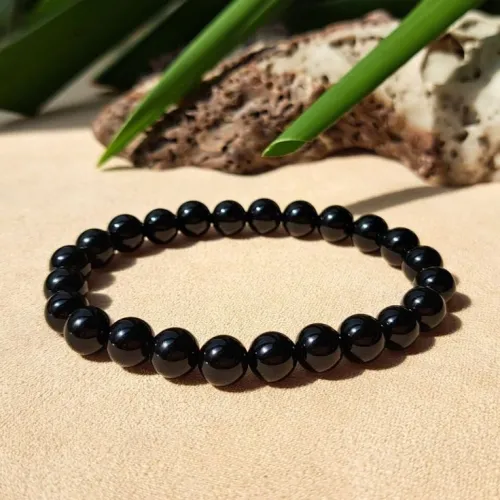
Wear both on your wrist – a quartz point and an obsidian bead. At first glance, perhaps they seem comparable in solidity. But weeks later, tiny scratches appear only on the obsidian. Such tactile experiences teach what geology books explain: stones have distinct personalities revealed through daily interaction. That slight disappointment when your obsidian gains a mark? It’s encountering Earth’s truth versus human expectation.
Quartz’s crystalline structure gives it exceptional resilience with a Mohs hardness of 7, while obsidian at 5-5.5 remains vulnerable to life’s abrasions. Dust particles can gradually etch obsidian’s surface without routine polishing. Unlike quartz that consistently transmits light, obsidian reveals translucency only at impossibly thin edges – like secrets whispered sideways. Understanding these differences isn’t about declaring weaknesses; it’s learning to appreciate each substance’s inherent language.
Visual Characteristics in Various Lighting
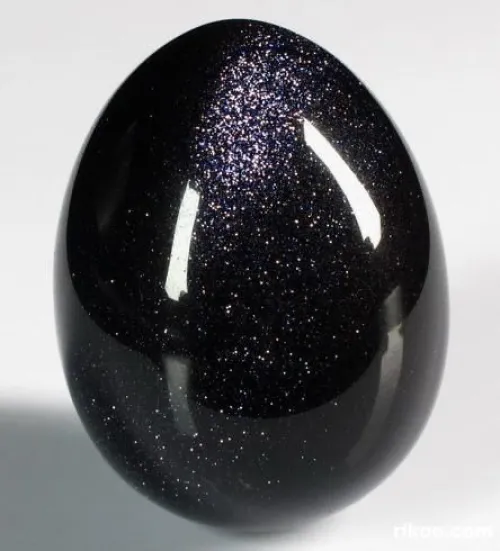
Hold your obsidian near a window, then in shadowed corners. See how sunlight deepens its blackness into something velvety and alive, while artificial lights flatten its character? This theatrical quality transforms ordinary interactions – a polished sphere on your desk alters mood as daylight shifts, becoming a liquid shadow pool by noon versus muted charcoal after sunset. Our attraction mirrors this play: sometimes we seek dark opacity for grounding, other times thin-edge translucency for contemplation.
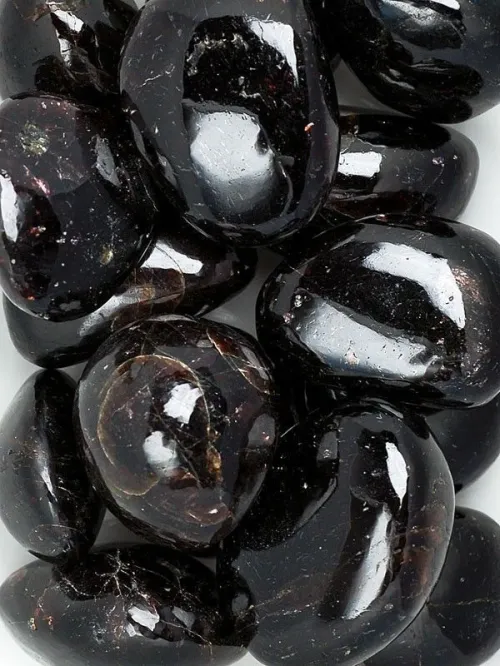
Obsidian’s visual poetry lies in its interplay with illumination. Its apparent color ranges from deepest jet to reddish mahogany depending on microscopic mineral traces within. Surface shine remains consistently vitreous when polished – nature’s challenge to gemologists. In backlighting experiments, that sudden visibility along sliver-thin edges feels less like scientific reaction, more like catching the stone unaware. As if, for one fleeting moment, it reveals its glass soul.
Durability Considerations for Daily Use
That heart-stopping moment when your obsidian ring taps against a countertop? We instinctively hold our breath, fearing chips or cracks. Obsidian teaches material honesty: beautiful yet temperamental, solid yet vulnerable. Unlike crystalline gems that forgive minor accidents, obsidian demands mindful awareness. Using it daily resembles tending something alive – not fragile glass to hide away, but volcanic essence requiring respect.
Understanding Structural Limitations
Thermal stresses pose hidden risks since sudden temperature changes induce microfractures. Leave it by a sunny window or hot vehicle dashboard? Observe developing cloudiness. Thin sections chip unexpectedly despite overall compactness because molecules align chaotically. Ever notice it absorbing warmth briefly when held? That heat retention signals its delicate balance – protective settings in jewelry become essential against impacts.
Daily Handling Awareness
- Morning routines: Apply cosmetics before putting on obisidian jewelry. Acids in creams can etch its surface.
- Weight perception: Its density feels surprisingly solid - a safeguard against casual drops. Trust the heft.
- Edge vigilance: Tumbled pieces chip less easily than faceted edges where tension concentrates.
When Stone Meets Soul: A Moment of Presence
Consider this: obsidian never pretended to be quartz. Its essence lies in honoring volcanic truth – rapid, imperfect, breathtakingly raw. Isn’t that life? We navigate expectations versus authentic form, societal labeling versus inner reality. Holding this glass-turned-stone invites reflection: where are you resisting natural design for imposed perfection? Notice the certainty in its density – no apologies for weight or darkness. Perhaps Earth whispers through such paradoxes: "Creation thrives beyond rigid categories." Trust yourself when inner clarity glows at life’s thin edges. The courage already exists in silent depths waiting for light to find it.
Evaluating Authenticity and Natural Variations
Browse an online marketplace and you’ll encounter suspiciously identical "black obsidian" specimens at implausible prices. Authenticity checks become intuitive skills – like assessing a stranger’s sincerity through micro-expressions. Real obsidian surprises through its natural quirks. That instant disappointment when a suspiciously lightweight stone arrives? Your instincts recognize integrity – or the absence of it.
Natural obsidian varies pleasingly. Mineral inclusions create subtle spectrums from cool anthracite to warm bronze tones. Its polished surface maintains persistently glassy luster absent in composites. Surprisingly weighty for its size, it confounds those expecting resin lightness. Untreated pieces may develop atmospheric haziness – not flaws but mineral stories. This natural inconsistency comforts as much as it educates: in an era of manufactured perfection, authentic things bear character through variation.
Maintenance Practices for Long-Term Preservation
Think of obsidian as a museum artifact born from volcanoes. Like caring for handwritten letters or silkscreens, preservation blends practical know-how with reverence. Wipe dust accumulating in finely textured surfaces gently; accumulations over time reduce mesmerizing depth. That moment of discovery – a haze forming where skin oils met stone? It sparks self-forgiveness, not frustration. Obsidian recalls our mutual impermanence; preserving it becomes meditative practice.
Preventive Care Approach
Unlike crystalline gems, obsidian demands delicate handling. Avoid ultrasonic and steam cleaning methods that exploit vibration – microfractures propagate invisibly. Freezing temperatures dramatically weaken structural integrity as trapped moisture expands. Store wrapped away from harder stones to prevent incidental scraping. Surface scratches develop gradually but remain erasable with occasional professional polishing – think maintenance as restorative conversation.
Ritual Cleaning Process
- Gentle materials: Use lukewarm water, mild soap, and microfiber cloth - no abrasives
- Cosmetic awareness: Remove before swimming or lotion application; acids compromise shine
- Drying technique: Pat dry immediately to prevent mineral-deposit filming on the surface
Geological Context and Common Confusions
Collect both snowflake obsidian and black tourmaline? Notice your brain categorizing differently despite similar coloration. This instinct highlights persistent geological blurring – understandable when learning obsidian belongs neither to crystal kingdoms nor mineral families. We see it grouped mystically with crystals yet described academically as glass. That ambiguity invites curiosity: why must everything be compartmentalized?
Common mix-ups arise regarding its formation timeline – unlike crystals growing over eons, obsidian crystallizes in geological nanoseconds. Confusion also surrounds its "solid liquid" paradox. People assume heavier equals stronger; yet its weight derives from silicon richness not structural fortitude. Most charmingly, some traditions call it birthstone for ancient souls – perhaps recognizing how volcanic glass carries Earth’s fiery breath differently than crystalline patience. Wisdom appears when we release need for singular definitions.