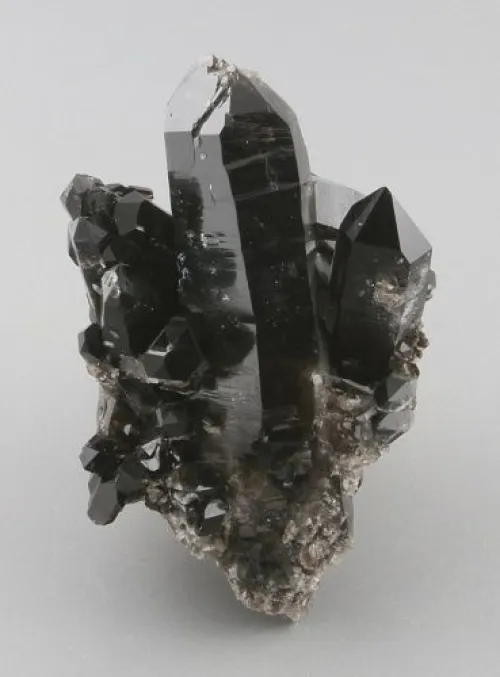
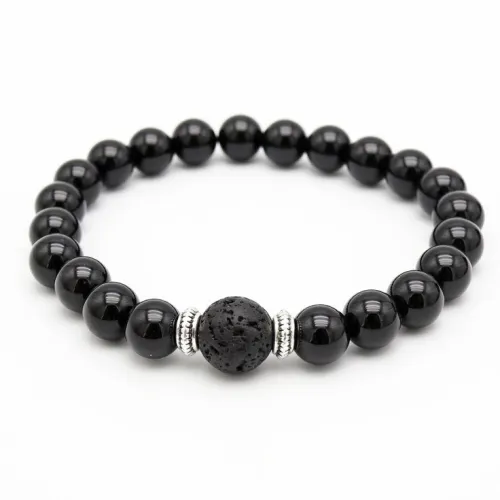
is obsidian harder than diamond
No, obsidian isn't harder than diamond - it's actually significantly softer. While diamond sits at the peak of the Mohs scale as a perfect 10, volcanic glass like obsidian typically ranks between 5.5 and 6. This difference creates distinct everyday realities: your diamond ring might outlive civilizations without scratching, but that obsidian pendant in your jewelry box gradually accumulates fine abrasions from ordinary life encounters. This isn't about one being "better," but about understanding their unique behaviors in our human world.
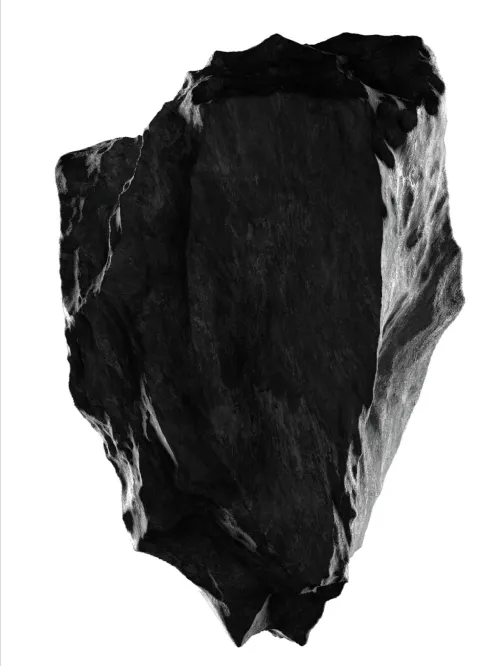
You're holding two stones at the jewelry counter—one catching light with volcanic mystery, the other scattering rainbows with mathematical precision. That inner whisper wonders: "Which one matches my rhythm?" The logical brain immediately jumps to practical questions like hardness comparisons (we'll get there, promise), but first, notice how something deeper hums beneath the surface. That obsidian's darkness seems to pull you in, doesn't it? Ancient cultures believed it absorbed negative energy—a symbolic comfort we still feel today when drawn to its midnight depths. Meanwhile, the diamond's sparkle feels... definitive. Unyielding. There's poetry in their contrast: one born of earthly fire, the other forged in planetary pressure. We're about to explore why this geological backstory matters in your daily life, and why that intuitive pull toward a particular stone might tell you more than a hardness rating ever could.
Where We'll Journey Together
The Direct Answer on Hardness Difference
When you first place obsidian beside diamond, they might seem like cousins in the gem kingdom—both capable of sharp edges and captivating light. But scratch beneath the surface (quite literally), and a different story emerges. Think of it like comparing a feather pillow to an anvil: both valuable in their contexts, but one will inevitably show wear when facing daily demands. So why do people often assume volcanic glass could rival the hardest substance on Earth? That's exactly what we'll resolve.
On the universal scale geologists use, volcanic glass scores between 5.5 and 6, meaning it could get scratched by materials as common as window glass. Diamond, by stark contrast, claims the absolute pinnacle at 10—it remains unscathed against virtually everything encountered in daily life. Your jewelry encounters countless unseen abrasions: zipper teeth, grit in a pocket, accidental knocks against tables. Through this lens, the hardness gap becomes viscerally clear. The practical reality? That exquisite obsidian carving you treasure will likely develop fine surface abrasions over years of loving handling, like life's gentle patina settling onto volcanic legacy.
Key Factors Affecting Mineral Hardness
It's tempting to think "crystals = hard," but remember that child's game comparing rock scratches? You weren't just playing—you were conducting fundamental geology experiments! The Mohs scale measures a mineral's resistance to being scratched, which ultimately reflects its atomic architecture. This isn't just academic trivia—it's the reason your volcanic glass behaves differently than crystalline quartz when both originated from similar base components.
At its core, this volcanic material often forms as volcanic glass with silica dominance—yet lacks the crystalline blueprint diamonds possess. Picture building with scattered bricks versus interlocked gears; one naturally withstands pressure better. Diamond's carbon atoms bond in a flawless tetrahedral lattice that laughs at friction, while volcanic glass sets like cooling honey—ordered just enough to hold form. This fundamental structural variance explains why under substantial pressure, the latter demonstrates conchoidal fracture patterns: the delicate, curved breakage lines that ancient toolmakers cherished for creating sharp edges, yet reveal its vulnerability.
The Role of Geological Stories
The birth conditions matter deeply. Diamonds typically form under extreme pressure 100 miles underground over billions of years, while their volcanic counterparts solidify rapidly above ground during lava cooling. This contrast imprints lasting traits. Subtle variations in volcanic texture often emerge from these diverse geological tales.
Practical Implications for Everyday Use
You adore that obsidian pendant—its glassy surface perfectly matches your favorite ceremonial attire. Then one Tuesday morning, you notice ghostly trails crossing its surface where it brushed against granite countertops. This moment reflects a universal truth: beauty requires compatibility with lifestyle. How these materials wear impacts our relationship with them far more than technical ratings ever could.
Daily interactions become visible history for volcanic glass. Casual friction against metal keys or abrasive dust particles can cause gradual edge smoothing where sharp facets evolve into softer curves. Storage locations matter too: simply placing it beside harder gemstones may spontaneously gift it visible surface scratches. But here's a curious twist: this very vulnerability creates intimacy. Your piece becomes uniquely yours—with a patina reflecting how you move through the world. Under direct illumination, its vitreous sheen may shift over the years, telling your shared story through evolving reflections.
Assessing Quality from Physical Characteristics
Standing in a crystal shop holding three "identical" obsidian spheres, why does one feel like liquid night while another seems dull? Visual cues reveal the material’s inner journey and potential resilience far better than mystical claims. Unlike diamonds judged by perfection metrics, volcanic glass asks that we appreciate its unique geological history written in visible fingerprints—a perspective shift worth embracing.
Variations in color depth under changing light offer the first clues about purity; richer blacks typically suggest fewer bubbles and impurities. Magnification often reveals truth: authentic pieces hold tiny inclusions visible under magnification—not flaws but birthmarks from volcanic origins. Meanwhile, surface reflections tell ongoing stories: a vitreous sheen glinting under window light implies structural integrity, while localized foggy patches may signal unseen fractures. Remember that piece on your altar? Its glossy surface enhances visual appeal not despite its softer nature but because of it, inviting light differently than crystalline gems—a reminder that "quality" reveals itself through unique language.
Trusting Earth's Quiet Wisdom
Some days choosing jewelry feels oddly profound—why hesitate between two stones when technical facts sit right here? Consider that intuitive pause a sacred invitation. Like noticing which garden branch bends toward moonlight, your drawn-to gestures reveal deep resonance. That obsidian’s softness isn’t weakness but flexible strength; its gradual wear mirrors how wisdom etches itself into our evolving souls. When life asks you to choose paths, remember how gently earth teaches: enduring beauty isn’t about resisting all change, but finding harmony with natural flow. You might sense the universe whispering: "Let your true self polish beautifully through life's textures"—a subtle nudge toward embracing both strength and softness.
Avoiding Scratches and Enhancing Longevity
Learning to care for obsidian feels like meditating on impermanence: we protect beauty while honoring its natural evolution. These simple practices reflect ancient wisdom—how indigenous cultures carried glassy tools in protective pouches—adjusted for modern life.
Gentle Handling Rituals
The first secret lies in touch awareness. When handling volcanic glass pieces, imagine you're holding candle flame—present enough to prevent drops yet soft enough to avoid pressure points. This becomes intuitive over time.
Sacred Cleansing Practices
Chemical exposure subtly dulls surfaces like worries cloud clarity. Instead, try moonlight baths or lukewarm streams—gentle water cleansing maintains luster without stress. Remember: dramatic thermal changes invite potential thermal shock cracking, so avoid sudden temperature swings as you'd protect heart from abrupt life changes.
The Art of Resting Places
Designate soft resting spots during the day. Velvet-lined compartments or cloth pouches create sanctuary between wearable moments. Consider protective mounting techniques that reduce contact; user experiences confirm how this simple shift significantly limits friction marks despite moderate scratch resistance inherent in volcanic glass.
Essential Questions and Misconceptions Addressed
Q: Can obsidian be used as everyday jewelry without damage?
A: Absolutely—but with mindful awareness. Like wearing silk in a rainstorm, it thrives when paired appropriately. Rotate gemstone jewelry based on daily activities; preserve volcanic glass pieces for meaningful but protected occasions where they can shine without harsh encounter risks. Durability remains sufficient for gentle display applications.
Q: Do scratches indicate low quality?
A: Not inherently. While diamond maintains perfection through sheer hardness, volcanic glass accumulates visible experience as testament to its journey—like laugh lines deepening on a wise face. Minor abrasions rarely compromise structure. Focus instead on whether it still resonates with your spirit.
Q: Why does mine look different than pictured online?
A: This material celebrates uniqueness. Subtle texture differences arise from geological formation variations; darkness levels shift with lighting as moods transform under different days. Each carries authentic energy signatures—trust yours over standardized images. Use magnification to read inclusion stories: those "imperfections" contain volcanic truth.