Is Obsidian Igneous
Yes, obsidian is classified as an igneous rock formed through the rapid cooling of silica-rich volcanic lava. Its distinctive glass-like structure and conchoidal fracture patterns directly result from this volcanic origin. Unlike mineral-based rocks that form crystals over time, obsidian cools quickly enough to develop an amorphous molecular structure while maintaining unique visual characteristics like iridescent sheens.
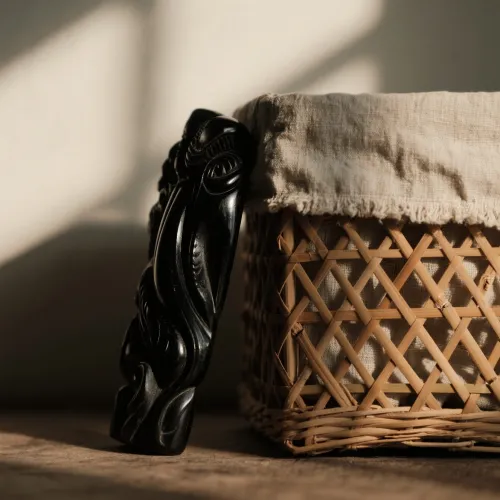
You’re holding a piece of obsidian. That moment when you tilt it against sunlight and catch that unexpected glimmer – feels almost like discovering hidden poetry within solid stone, doesn’t it? We instinctively sense there’s something mysterious about those midnight-black surfaces that reflect our own face back at us. Well, it’s not just your imagination playing tricks. That sleek piece in your palm carries echoes of volcanic eruptions and liquid earth freezing mid-motion. Maybe we’re drawn to it because witnessing nature’s raw creativity reminds us how transformations can happen suddenly yet leave breathtaking beauty behind. At some point, haven’t we all wished to cool quickly under pressure while keeping our inner glow intact, too?
What We’ll Explore Together
The Igneous Rock Classification
Wondering why geologists confidently label this glass-like rock as igneous? Picture standing on a freshly cooled lava field – that’s essentially obsidian’s birthplace. When we categorize rocks into sedimentary, metamorphic, or igneous groups, we’re tracking how pressure, heat, and time collaborated to shape them.
Obsidian earned its igneous badge by forming from silica-rich volcanic lava during rapid cooling. Its signature amorphous molecular structure is nature’s receipt for this sudden transformation, like frozen liquid refusing to crystallize even under intense heat.
Here’s something fascinating: obsidian starts as liquid fire. Imagine you’re hiking near a volcano during an eruption – watch how lava flows downhill. When low-viscosity lava hits colder surfaces like water or air, it doesn’t slow-dance toward solidity; it freezes instantly, mid-movement. That urgency gifts obsidian its identity.
What you see on obsidian’s surface tells volcanic tales. The signature vitreous luster is lava’s final glow captured in solid form, while the conchoidal fracture pattern resembles frozen ripples caused by violent cooling. Tiny mineral inclusions? Those are messengers from the volcano’s belly.
Natural Color Variations and Patterns
Staring at what seems like simple black glass? Look closer – nature’s paintbrush never works monotonously. You might be holding samples labeled obsidian that display wildly different personalities. That deep mahogany slice? Iron got involved. Rainbows shining through? Light’s bending around microscopic inclusions.
The common spectrum extends from jet black to deep browns depending on mineral companions. When you tilt it against light, iridescent sheens occasionally dance unexpectedly – like finding starlight caught inside rock fragments.

Practical Uses in Jewelry and Decor
You’re holding a pendant that seems impossibly glossy yet mysteriously matte depending on lighting. That’s obsidian’s practical magic in decorative arts. Its ability to capture and play with light transforms it from dormant rock into living design element. But remember those pieces that feel surprisingly heavy for their size? That density wasn’t random.
The resistance to chemical corrosion makes it suitable for rings and bracelets facing daily friction. When crafting large installations though, the weight distribution in larger pieces demands careful mounting – an architect once told me each inch of thickness reshapes an entire structure’s balance.
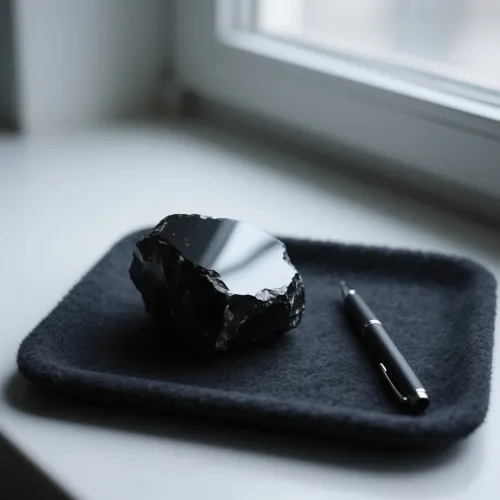
Assessing Authenticity Through Visual Clues
That worry you feel when buying "obsidian" online? Genuine material feels different than manufactured glass – it carries volcanic fingerprints synthetic copies lack. Hold it toward strong light and wait for the reveal.
The Light Test
Gently position edges against backlighting. Authentic pieces may show translucent characteristics along thin edges – like dark honey filtering light rather than cheap plastic blocking it completely.
Weight Decoding
Notice whether it feels heavier than expected? Density measurements frequently expose man-made imitations. Try testing similar-sized stones – earth-born obsidian carries deep mass that glass replicas often lack.
Signature Inclusions
Natural imperfections act as birth certificates:
- Mineral trails: Wispy lines resembling ink in water
- Gas bubble remnants: Frozen air pockets from volcanic eruptions
- Starburst patterns: Concentric circles radiating outward
When Earth’s Whisper Meets Human Touch
Sometimes holding obsidian feels like clutching solidified lightning – all that pent-up energy suddenly frozen yet still humming. Ancient cultures weren’t imagining things when they claimed obsidian mirrors reflected truth. In a world constantly urging you to dull your edges and flow predictably, this volcanic rock teaches something revolutionary: You’re allowed to cool quickly without shattering. Trust that inner tension between resilience and vulnerability. Embrace fractures that catch the light beautifully instead of hiding them. When uncertainty presses against your life, remember this: That unexpected shift you’re navigating? It’s simply your metamorphosis happening at volcanic speed.
Maintenance for Long-Term Preservation
Think of your cherished obsidian piece as earth’s photography – capturing violent origins within polished calm. But even geological treasures need thoughtful care. That slight chip developing along the edge? Happens when we forget obsidian’s volcanic glass origins make surfaces brittle with hidden fragility.
Handling Protocols
Obsidian carries that
sensitivity to impact requiring cautious handling. Always:
- Set jewelry pieces inside padded containers
- Separate chunks from harder stones
- Wash hands before handling to avoid oily transfers
Cleaning Rituals
Cleaning recommendations involve soft cloths rather than harsh scrubbers. Treat its surface integrity like ancestral art. Mild pH-neutral soap dissolves accumulated life-dust without harming silica’s vulnerable edges.
Environmental Protections
That windowsill placement? Beautiful until sunlight slowly fades its inner fire. Even long-term exposure to direct sunlight causes subtle fading across decades. Display it proudly elsewhere – obsidian retains mystery best away from solar bleaching.
Optical Properties in Different Lighting
Now for the magic trick: Watch how obsidian transforms personalities between daylight cafes and evening dinners. In your sunlit kitchen, it’s stoic and serious. Move it onto your candlelit mantlepiece suddenly it’s whispering secrets. What changes? Just obsidian communicating through light manipulation.
The rock’s refractive qualities explain shifting appearances. Natural light reveals depth clarity while artificial illumination emphasizes surface dances. Meanwhile variations in thickness dramatically alter transparency – thin slices turn translucent like darkened honey where thicker pieces swallow photons completely.


