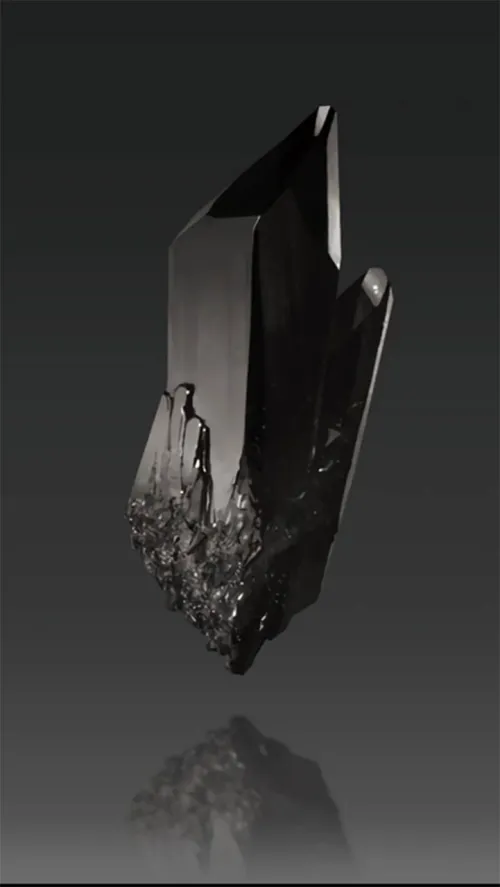
what does obsidian mean
Obsidian is a natural volcanic glass formed when lava cools rapidly, composed mainly of silicon dioxide. Its distinctive deep black color with possible iridescent highlights and smooth texture make it popular for jewelry and decorative objects. Despite moderate durability (5-6 on the Mohs scale), it's valued for its historical significance and unique aesthetic qualities in both functional and spiritual contexts.
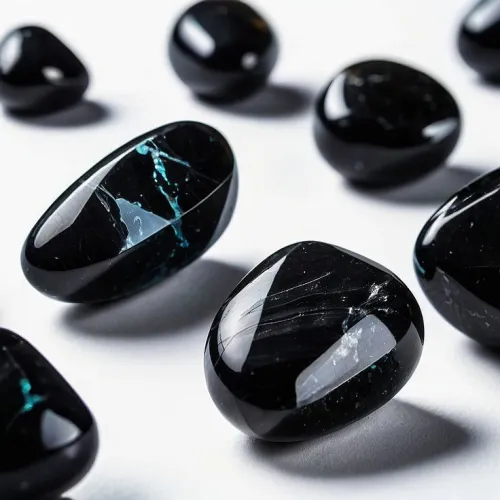
Ever find yourself staring at that dark, glossy stone in a jewelry case, wondering if its depth holds more than just beauty? Maybe you're holding a piece right now, noticing how it catches light in unexpected ways, or perhaps you're drawn to its sleek surface but hesitate because it seems, well, intense. I've been there too – that magnetic pull toward deep colors often signals something beyond aesthetics. Obsidian doesn't scream for attention; it pulls you with quiet gravity. When you run fingers across its cool surface, might it feel like touching ancient volcanic conversations? And isn't it curious how the deepest blacks tend to reveal the most surprising flashes when light hits just right? Let's explore what this mineral's silence might whisper.
What We'll Explore Together
Understanding Obsidian Stone
Imagine you're holding a shard of ancient history—glass that existed long before humans crafted their first bottle. That's obsidian forming an immediate bridge between geological time and your current moment. Unlike manufactured items, its presence whispers millennia of transformation. People often feel its weight unexpectedly; substantial but not overwhelming, that dense volcanic glass seems to carry eons within it. Whether resting on a palm or against your collarbone, its heft suggests durability yet asks gentle handling, as if holding solidified time.
This volcanic glass has an amorphous structure meaning it lacks crystalline patterns, which explains the velvety smooth texture under your fingertips. Formed through extreme heat and sudden cooling, its primarily silicon dioxide composition creates that signature glass-like sheen distinguishing it from ordinary stones. That glossy surface often holds surprises—turn it under lamplight and you might discover hidden metallic glints or flashes reminiscent of northern lights trapped within dark depths.
Picture Earth's crust splitting open, liquid fire rushing across landscapes only to meet cooling elements—rain, ice, or ocean. Here’s where obsidian’s drama unfolds. The stone’s very existence depends on geological immediacy: too slow a cooling process yields dull basalt, but rapid cooling freezes volcanic potential into glass. This origin explains why rough obsidian sometimes resembles frozen smoke—billowing forms captured mid-moment. No wonder artisans through millennia have treated it as sacred; it literally solidified during the planet’s creative crises.
Under varying light conditions, the stone’s mood shifts—color ranges from deep black to smoky brown, occasionally flashing unexpected iridescence when caught at sharp angles. Its cool-to-touch quality isn't mystical physics, simply its glass origins conducting temperatures differently than crystalline minerals. Still, that coolness against skin makes each touch feel deliberate, inviting momentary pauses in our always-warm digital world. Though sunlight may subtly fade intensely iridescent varieties over decades, stable temperatures otherwise preserve these artifacts almost indefinitely.
Practical Uses and Selection Insights
You’re considering its practical magic—will that beaded bracelet survive school pickups? Can desk ornaments ground your workspace without demanding attention? I’ve wrestled with these choices too. Obsidian’s flexibility becomes apparent: the stone that once crafted arrowheads now adapts to contemporary rhythm. Yet expectations need tempering; wear it daily and fine surface scratches may appear over years, just like your favorite coffee mug accumulating life-marks. It’s the beauty of objects that accompany rather than dazzle.
Navigating online purchases reveals perception gaps—what shines dramatically in product photos may arrive looking unassumingly solid. Why? Actual specimens show opaque rather than translucent properties, though clever lighting often suggests interior glow. When assessing stones near windows, notice how highlights reveal shimmering accents invisible under flat lighting. For functional longevity, its moderate Mohs hardness (around 5-6) means careful storage avoids fractures. But think beyond fragility: that substantial heft you notice? Weight and density create satisfying presence whether as pendant or paperweight.
Choosing for Authenticity
Consider how its history informs modern selection—obsidian born from chaos rarely presents uniform perfection. Tiny bubbles or mineral wisps signal natural creation versus lab-perfected imitations. Embrace these variations as character marks rather than flaws.
Authentic signs include:
- Sharp fracture patterns: Natural breaks follow irregular conchoidal curves like shattered windshield glass
- Localized imperfections: Minimal inclusions where molten material captured ancient gases
- Visual weight discrepancy: Authentic pieces feel denser than same-size plastic or glass replicas
Assessing Quality Through Visual Cues
That midnight-colored bead strand arriving in the mail—does its depth match the seller’s glowing description? We’ve all navigated the gap between virtual sparkle and physical reality. Surface inspection matters: quality pieces demonstrate uniform saturation without cloudy patches or visible chips at edges. Don't mistake glassy smoothness for plastic sheen; genuine obsidian reflects light differently, absorbing rather than bouncing brightness. What seems like simple darkness under quick glance often reveals layered subtleties.
When observing pieces across different times of day, you’ll witness varying iridescent highlights—metallic flashes appearing suddenly under morning light unlike artificial glitter. Those faint bubbles or inclusions some dismiss as flaws? Actually confirm natural volcanic origins. For preservation, minimal care preserves vibrancy for years: occasional soft-cloth cleaning maintains surface integrity. Should you notice slight patina development from skin contact over decades? That’s natural oils creating subtle organic history.
Obsidian’s Silent Wisdom: Mirrors in Dark Glass
Beyond geological wonder, holding obsidian can evoke something deeper—moments when stark clarity cuts through daily noise. Remember that day last winter? Facing a difficult choice, you wandered into a park feeling clouded until seeing reflections in an ice-slick puddle seemed oddly clarifying. Obsidian offers similar quiet revelations. Its darkness doesn’t obscure but invites introspection; light doesn’t glare off it but emerges gradually, much like insights arriving during morning contemplation. When making decisions about these stones or beyond, consider how instincts shift while observing obsidian under changing conditions—your discernment growing sharper through attentive focus. Perhaps what feels like solitude when choosing stones mirrors those journeys requiring solo courage before new paths emerge.
Noticing subtle shimmer in obsidian’s depths reinforces how meaning lives between extremes—solid yet fragile, ancient but contemporary. Life constantly shapes us through pressure and unpredictable encounters. Whether adopting new practices or releasing outdated beliefs, trust that resilience often resembles volcanic glass: forged through upheaval, cooling into strength. What seems like ending rarely is; sometimes creation requires temporary shattering. Your capacity to hold space for contradictions makes navigating complexities possible. Consider obsidian’s journey—molten chaos transformed into functional beauty. Doesn’t such transformation echo within us?
Common Questions and Additional Insights
Q: Does obsidian’s cool temperature indicate healing properties?
A: While its cool touch provides sensory pleasure, scientifically this merely reflects glass composition—like a drinking glass feeling cooler than wood at room temperature. Appreciate the grounding sensation without therapeutic expectations.
Q: Can daily jewelry cause noticeable deterioration?
A: Like cherished denim developing patina, long-term wearing may create tiny scratches visible under magnification. Gentle handling prevents chips; stores pieces in soft-separated compartments when not worn to maintain appearance.
Q: Why do some pieces look metallic under certain lights?
A: Iridescence occurs when microscopic mineral formations scatter light unusually—not enhanced polish but nature’s artistry within natural variations. These unexpected flashes appear strongest at specific angles adding character.
Q: Is cleaning obsidian with water safe?
A: Occasionally needed, quick lukewarm rinses pose no harm—pat dry immediately afterwards. Avoid steaming or soaking which may exacerbate existing micro-fractures over time.