Where is Obsidian Located
Obsidian forms globally across volcanic regions like the Mediterranean, Western U.S., and Pacific islands where silica-rich lava cools rapidly. This natural glass appears near active volcanoes like Mount Hekla and dormant fields such as Yellowstone, often fragmented across landscapes from ancient eruptions. Its distribution patterns reflect Earth's geological history in accessible mountain ranges and riverbeds.
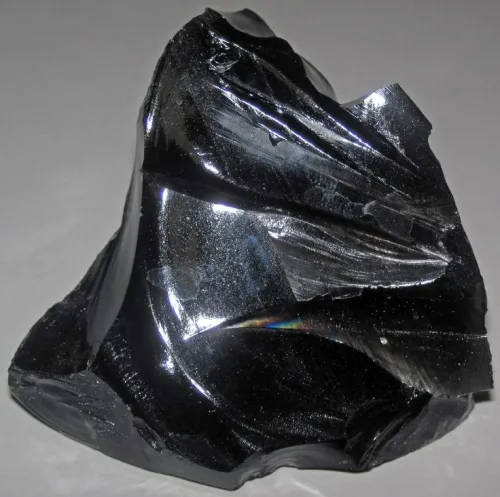
So you're holding this dark, glassy stone that seems to pull starlight into its depths – where on Earth did it come from? Maybe you've felt drawn to these midnight-black fragments during hikes without knowing their story. It's fascinating how something formed from volcanic fury ends up resting quietly in riverbeds. The thing is, obsidian doesn't just exist; it's Earth's art gallery where geology and time collaborate. When your fingers trace its slick surface, you're touching landscapes shaped millennia ago. At some point, haven't we all paused before nature's mysteries? That intuitive pull toward certain stones might be your inner explorer recognizing ancient stories etched in volcanic glass.
What We'll Journey Through
Key Global Distribution Areas
Ever returned from a trip with a mysterious black rock, wondering if it's precious obsidian? You're not alone – countless explorers uncover volcanic glass unaware of its origin story. This mineral hides in plain sight across continents, waiting in locations shaped by Earth's fiery past.
Across mountainous regions like the Cascade Range or Mediterranean peaks, obsidian forms near active volcanoes through silica-rich lava flows. You’ll discover its fragments scattered globally in unexpected places, like Oregon's Glass Buttes or Mexico's Michoacán fields, where ancient volcanic fields preserve Earth’s creative power within obsidian's glassy texture.
Picture this: Lava erupting under Icelandic auroras transforms into smooth obsidian within hours. Such dramatic creation stories explain why this stone feels like bottled lightning trapped mid-streak. Understanding the "how" reveals why finding requires knowing where volcanoes whispered secrets to cooling magma.
The Cooling Magic
When lava loses heat like snapped fingers, atoms freeze mid-dance before crystals form – geological suspended animation that creates that iconic glass texture. This sudden quenching might happen at volcanic vents or as flows hit water. What emerges isn't stone per se, but mineral poetry composed at nature’s speed.
Stress Fractures as Nature's Signature
Obsidian tells its creation story through conchoidal fractures – curved breakage patterns like ripples in dark water. These occur naturally when volcanic glass encounters stress, creating shell-shaped edges prehistoric humans valued for toolmaking.
Practical Collection and Field Experience
Remember the thrill pressing cool volcanic glass against your palm after spotting it among ordinary rocks? Field collecting blends science with treasure-hunting intuition in landscapes where geology whispers clues.
Reading the Land
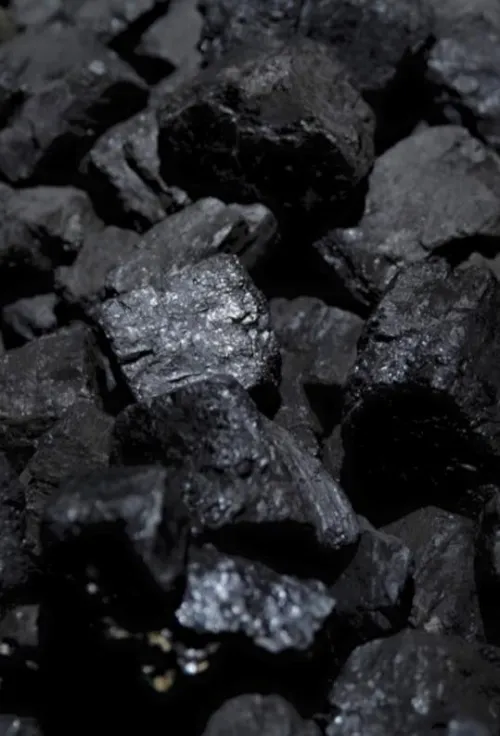
Seasoned hunters identify sites by geological markers: areas with pumice deposits or rhyolite formations hint at nearby obsidian. Trust how your feet recognize terrain – obsidian’s weight density feels startlingly substantial for volcanic glass when held. While weathered pieces may lose surface shine outdoors, museum specimens preserve their original condition through controlled environments, showing how nature’s masterpieces endure.
Light Deceptions and Digital Illusions
- Capture the shift: Obsidian may appear black indoors but reveals jewel-like flecks under desert sun
- Screen vs stone gap: Online images often fail to convey true color depth, so trust hands over pixels
Mirage-like, obsidian reflects its environment – a reminder that reality transforms through different lenses. Treat it as Earth’s chameleon gift.
Distinguishing Features and Authenticity Signs
When every online shop claims "genuine obsidian," how can your instincts spot nature's true signature? Authentic pieces whisper their truth through subtle clues observable through patient observation.
Color variation speaks vividly here – Indonesian obsidian might shimmer bronze while Oregon's reflects inky midnight, both truths painted from their volcanic origins. Glass imitations often betray themselves through uniform edges lacking authentic fracture patterns. Meanwhile, real fragments surprise with subtle iridescence when light strikes them right – geological shyness revealing hidden beauty.
When Stones Become Stories
Perhaps obsidian finds us when we need tangible reminders of Earth's artistry. Its mirrored surfaces ask: What new landscapes does your spirit seek? Trust how your intuition quickens while exploring unfamiliar trails – those magnetic pulls toward something "just over there" that guided ancient hunters still echo in us. Like volcanic glass awaiting discovery, unseen journeys take form when we move toward what resonates. Change begins like obsidian fracturing patterns: first pressure, then beautiful transformation.
Geological Context and Common Misconceptions
We've all heard claims like "obsidian only forms near active lava," yet fossils of prehistoric fires hide even in dormant fields. Understanding the science dissolves myths without dimming the magic.
Appearances shift under desert light versus cloudy skies – obsidian plays hide and seek based on ambient conditions. Some specimens turn almost transparent near edges, while others show earthy browns in thin sections. Though natural weathering may reduce surface shine over centuries, its core integrity persists as geological wisdom. Imitations fracture differently under pressure, proving authentic obsidian possesses an ancient resilience that speaks through every curve.


